Routine Review
Usually when a game is in development for as long as Routine was, the result is at worst abandonware and at best a highly dated experience. Not only does Routine exist, but it’s one of the best games of the year
In most cases, a thirteen year development would be unjustified, but it’s the little details that make the difference, what elevates Routine and ultimately what vindicates the extended development. What the three person team at Lunar Software have crafted is an impressive achievement that easily rivals studios with triple digit employees.
Routine is gorgeous, extremely original, highly immersive with impeccable atmosphere, incredible environments and a narrative that was captivating from beginning to end. For some people, Routine will be too slow and archaic, but for those who can appreciate the analog nature of the experience, the intricacies and the slow burn, Routine is unforgettable.
ROUTINE REVIEW
In Routine, you play as an astronaut in an alternate, retro-futuristic timeline that is heavily inspired by tech and sci-fi of the 80’s who is sent to the Moon to investigate why the Lunar Station has gone quiet. You awaken in a room aboard the Lunar station at the beginning of an experience that is best described as Ridley Scott’s seminal 1979 film Alien meets early Resident Evil: Extremely limited resources, impeccable atmosphere, confined environments, puzzles to solve with something dark looming over the whole experience.
You will be given a very quick tutorial as you learn to interact with station terminals, as well as how to lean and crawl. All three will be very important as they form the basis of the experience and all play a vital role in your survival. After that you exit your room to find the space station in complete disarray, where something horrible has happened, but you don’t know when, why and if there are any survivors left.
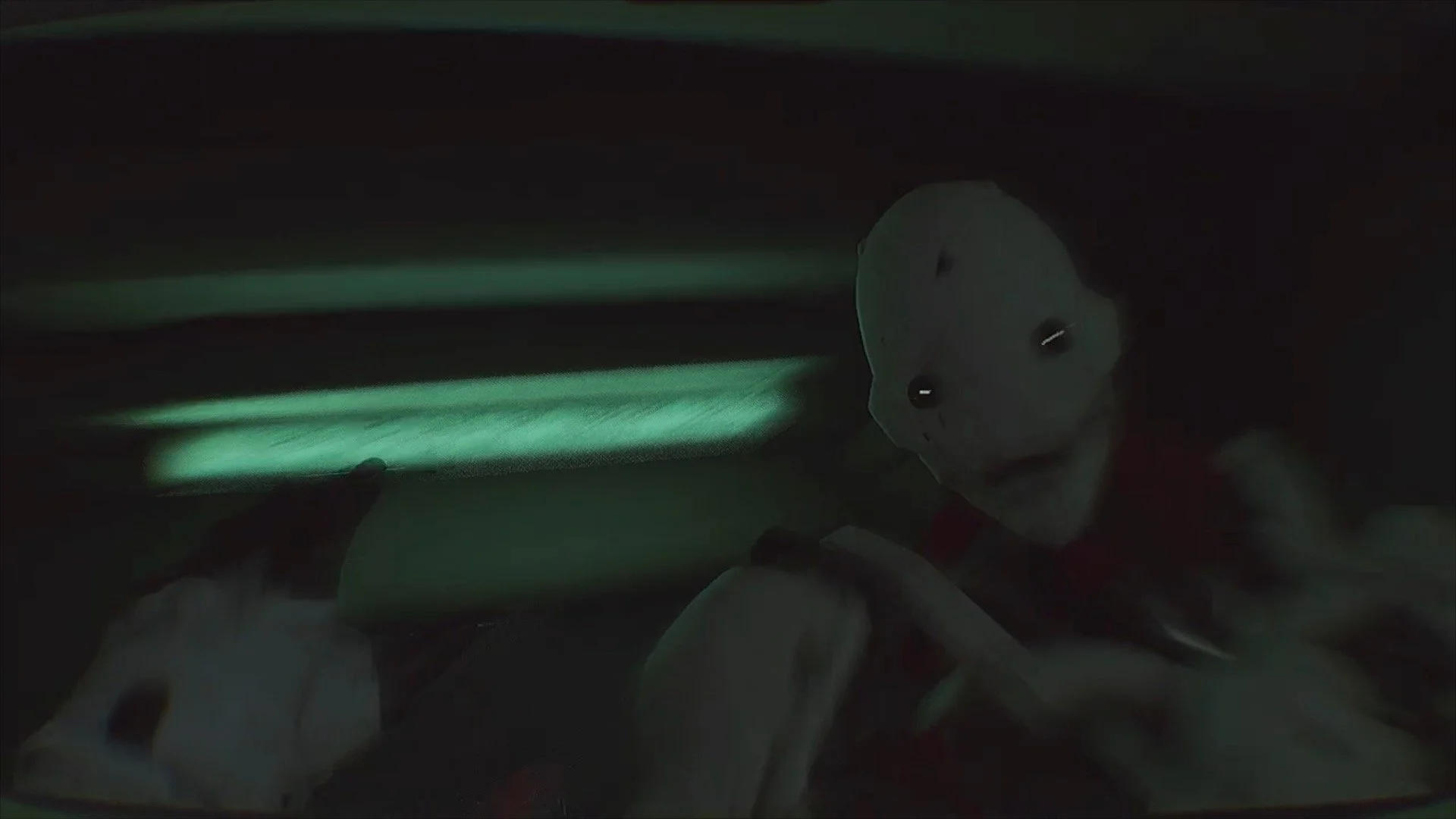
Instead of the sounds of zombies or xenomorphs to haunt you, it will be the mechanical whirring of the security bots or the creaks, buzzes and groans the lunar station makes as it has its own personality. Routine is able to effectively and constantly get under your skin. The jump scares are minimal, but highly effective due to their limited use, but where Routine really shines is keeping the player in a constant state of unease.
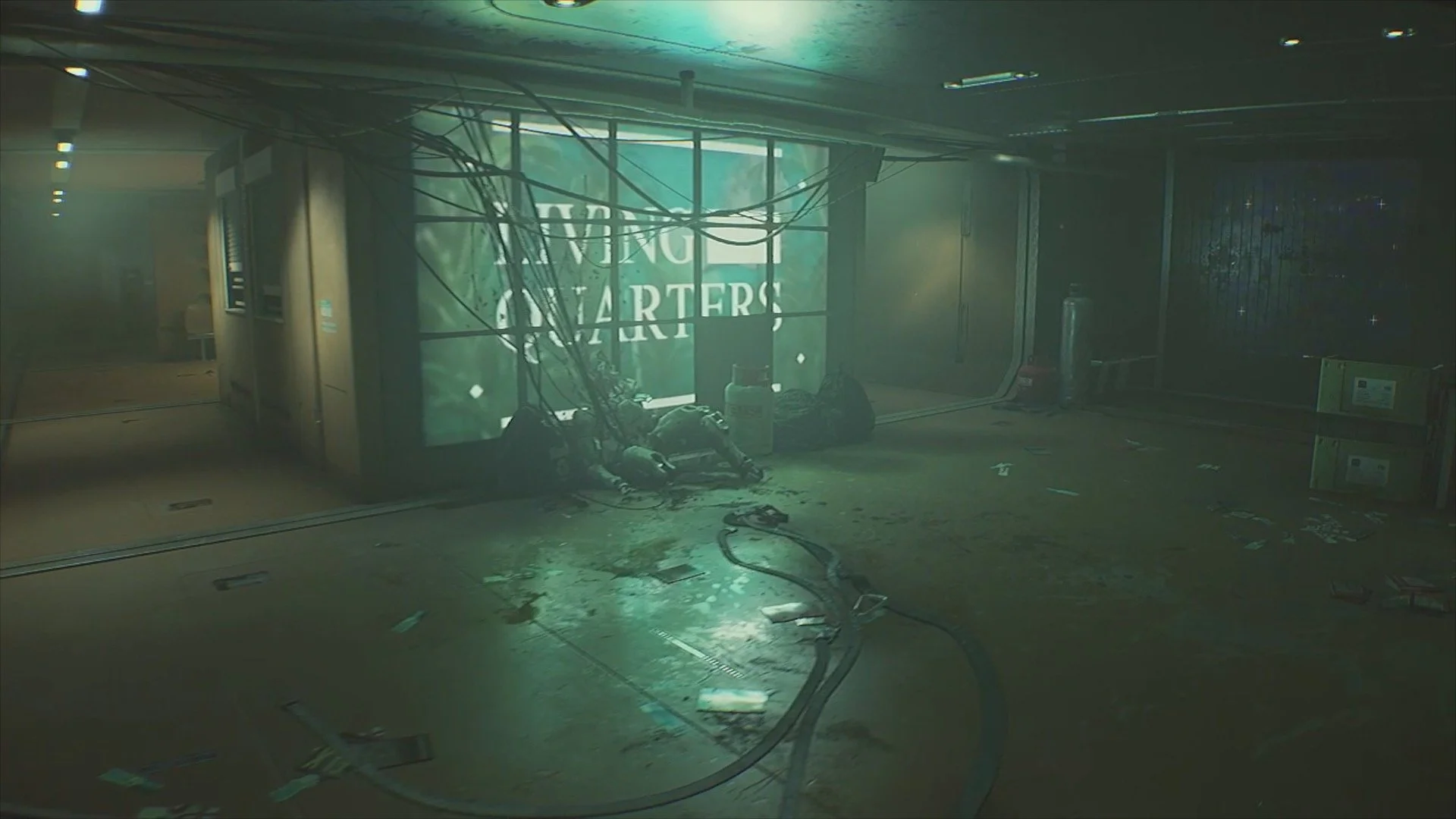
Routine began development over a decade ago, which means that the foundation is from a bygone era and the experience is better because of this. There is no on-screen UI, no yellow paint, and no handholding. The analog nature of the experience works in absolute harmony with the analog design of Routine. It’s highly immersive due to the first person perspective, how lived in the world feels, how the solutions for all the puzzles are logical and how grounded the experience is as you aren’t blasting limbs off or flying through exploding space stations in zero gravity.
The environmental storytelling in Routine is beyond reproach. Every inch of the lunar base feels painstakingly designed from the children’s drawings in the daycare, to the extremely unique items for sale in the gift shop and research notes found throughout. Crafting all of these little and seemingly insignificant details might seem like overkill, but subconsciously these are exactly what makes the game believable, immersive and why the game is able to remain under your skin indefinitely. Every single email, diary, audio log, or note was intriguing and deepened your connection with the world.
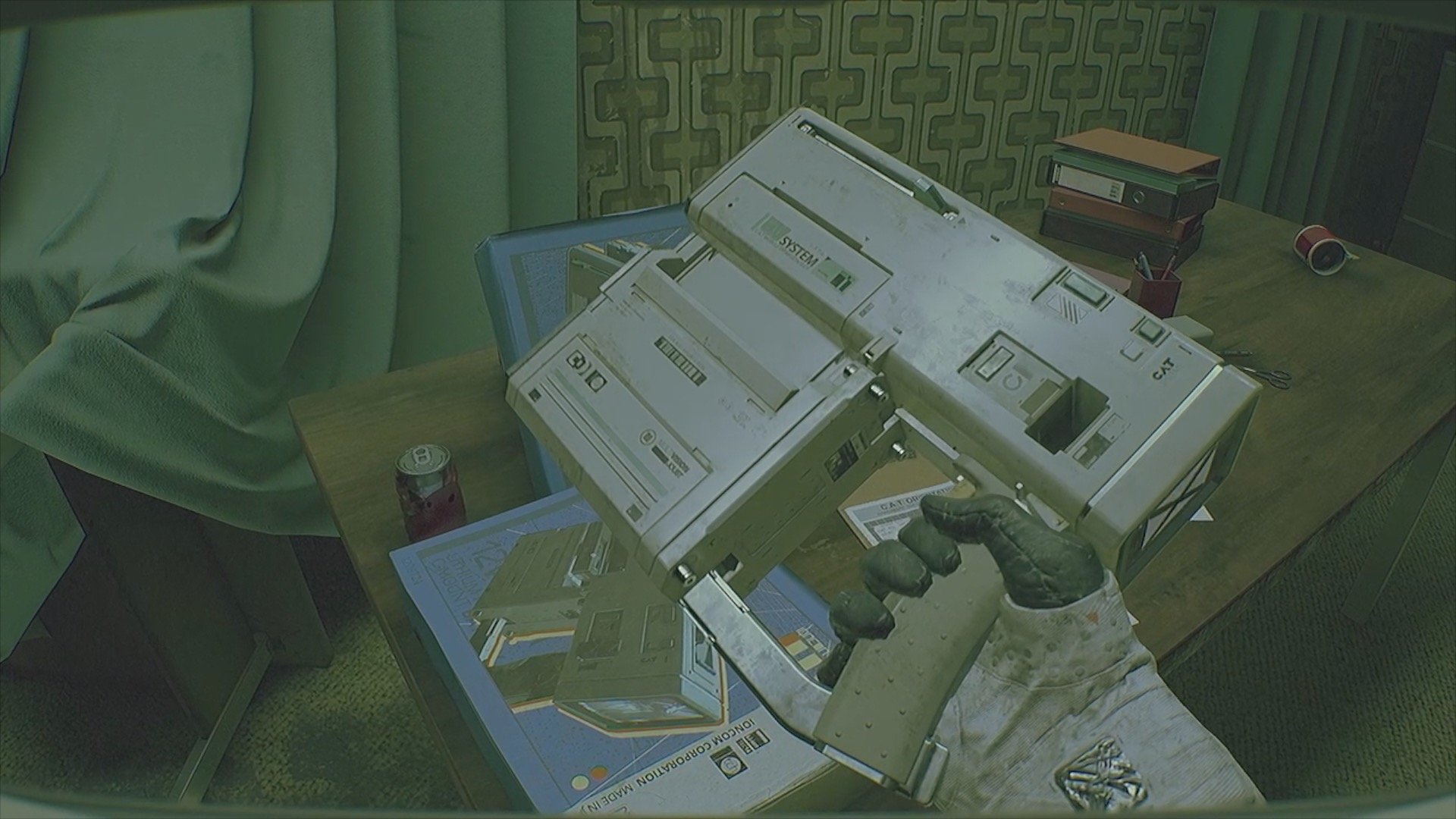
As incredible as the world building and lived in feel that Routine offers, it actually takes a back seat to the CAT or Cosmonaut Assistance Tool, which begins fairly basic at the start of the game. It starts with the ability to run diagnostics and blast a shockwave of electricity, which can’t do any damage but can short circuit or restart a malfunctioning piece of equipment. You will slowly find new modules to add to the CAT over the course of the game that will expand its abilities and make each solution more complex and engaging. Taking inspiration from Zelda, Routine has a dopamine inducing melody that plays when you solve a puzzle, albeit much more subdued.
The CAT is very helpful as it’s required to connect to save stations that are placed sparingly throughout. At these save stations you will also be able to check your current tasks and can give you an idea of what needs to be done. These tasks update automatically when you learn something which is a nice quality of life feature that cant be abused since it can only be checked at specific stations.
Keeping with the Resident Evil inspirations is the resource managment. The CAT uses batteries that have limited use with most functions using a third of its power. You won’t be able to carry extra batteries, so you will need to be on the lookout. There are recycle stations that always have batteries, but only with a third of its power remaining and there are more than enough batteries throughout if you know where to look for them. The batteries are never in frustratingly low supply, but their limited availability keeps tension high.
Routine is a horror game and it avoids one of the major pitfalls of the genre by not overstaying its welcome. The experience should take you around 8-10 hours depending on how quickly you can solve the puzzles and progress the story, which was captivating as you are slowly fed morsels of narrative as you try to piece everything together and understand what happened.
ROUTINE CRITICISMS
Routine is a highly immersive experience as you become completely engulfed in the experience. Unfortunately, you do need to travel to different parts of the Lunar station by elevator, subway or airlock and when this happens, you get a loading screen, which disconnects you from the experience. It only happens for a brief moment, but being able to hide those loading screens as most modern games do with actions like crawling or shimmying through tight crevices would have kept the immersion and tension levels high throughout.
Routine is built around using the CAT or Cosmonaut Assistance, which is a huge reason why the experience shines, but its slightly clunky to use and get used to. It takes a little while before it feels natural and you fully understand what all of the features do.
You will spend a good portion of Routine going through terminals looking through data logs, reading emails, and rebooting systems and doing this on controller is a bit cumbersome and even tedious at times. Having controls change once you engage with the terminal would’ve provided a more frictionless experience.
Finally, the enemy AI could’ve been a tad bit more intelligent.
Is Routine worth it after thirteen years?
Not giving up on Routine after thirteen years of development speaks volumes of the passion that the three people at Lunar Software have for their game. The care that the studio have poured into Routine is evident because everything feels believable as you become part of the experience as opposed to simply playing through it. Routine is an achievement in world building.
Lunar Software have justified every second spent on development because Routine is one of the scariest and most immersive games in years.
Has the thirteen year wait for Routine been worth it? Absolutely, Routine is one of the best games of 2025.